Introduction
A while ago, I had the chance to contribute to a startup working in the agricultural and horticultural space. My role was on the technical side: I was tasked with building a prototype lamp for research on plant crops.
Before I go further, a quick note: I sold any IP related to my work with the company. This post does not reveal technical details of the electronics, and it is published with explicit permission from the CEO.
Research requirements and LED selection
The research goal was ambitious, to achieve ultra-precise light control in an enclosed planting environment. The lamp had to provide multiple wavelengths for experiments and be capable of adjusting pulse duration and duty cycles with high accuracy. This wasn't just about turning LEDs on and off, the project aimed to shape the growing conditions with light as a controllable scientific tool.
For the LEDs, I selected CREE horticultural series parts. They were reliable, commercially available, and covered the right spectrum. I tried to include as many different wavelengths as possible to give the researchers maximum flexibility. Driving them, however, was more complicated. I quickly learned that very few integrated driver ICs were made for this level of precision. In the end, the best option came from an unexpected sector: automotive headlight drivers. These chips were designed for extreme reliability and high-power LEDs, and just happened to match the requirements almost perfectly.
Mechanical design and thermal management
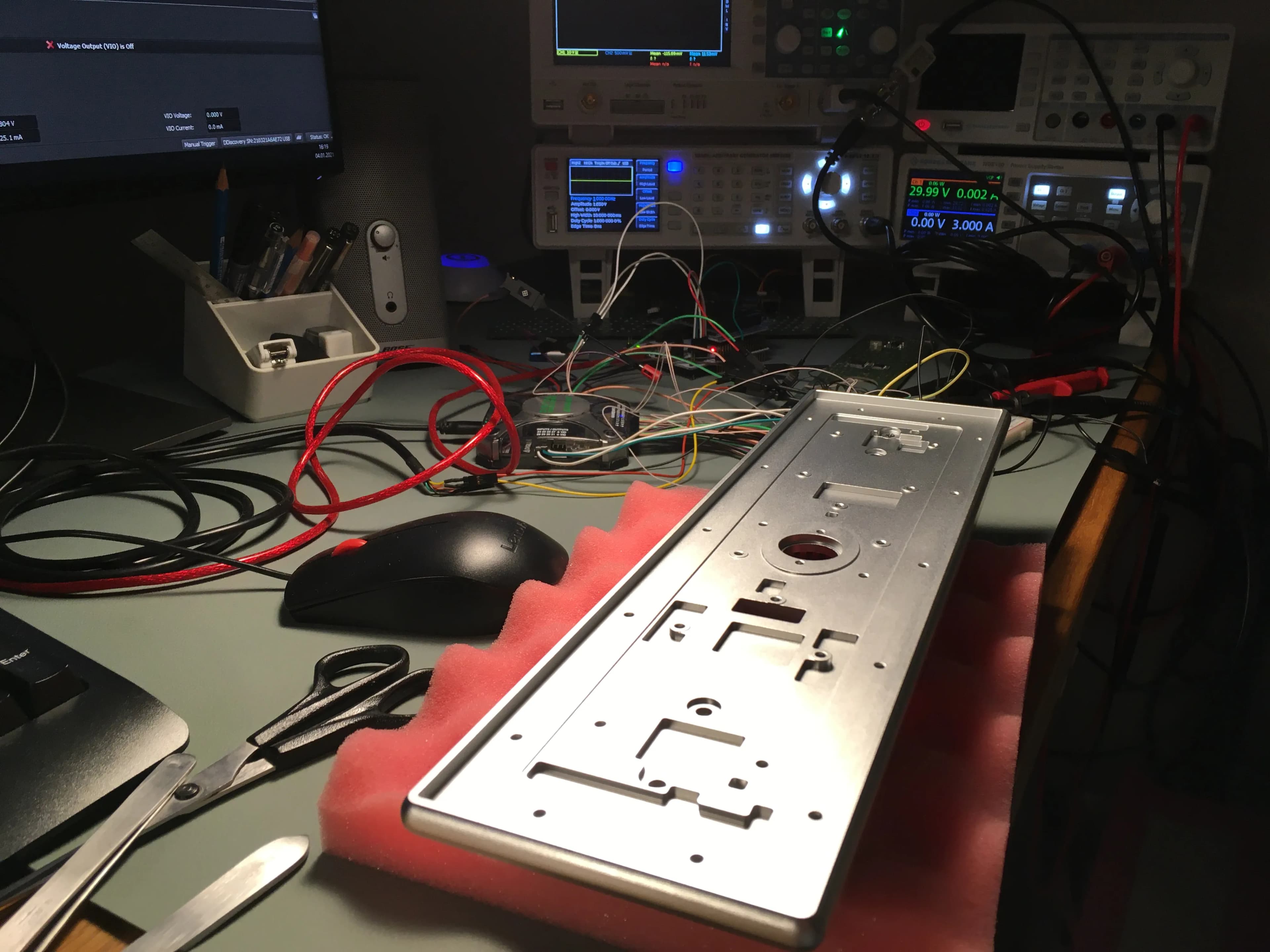
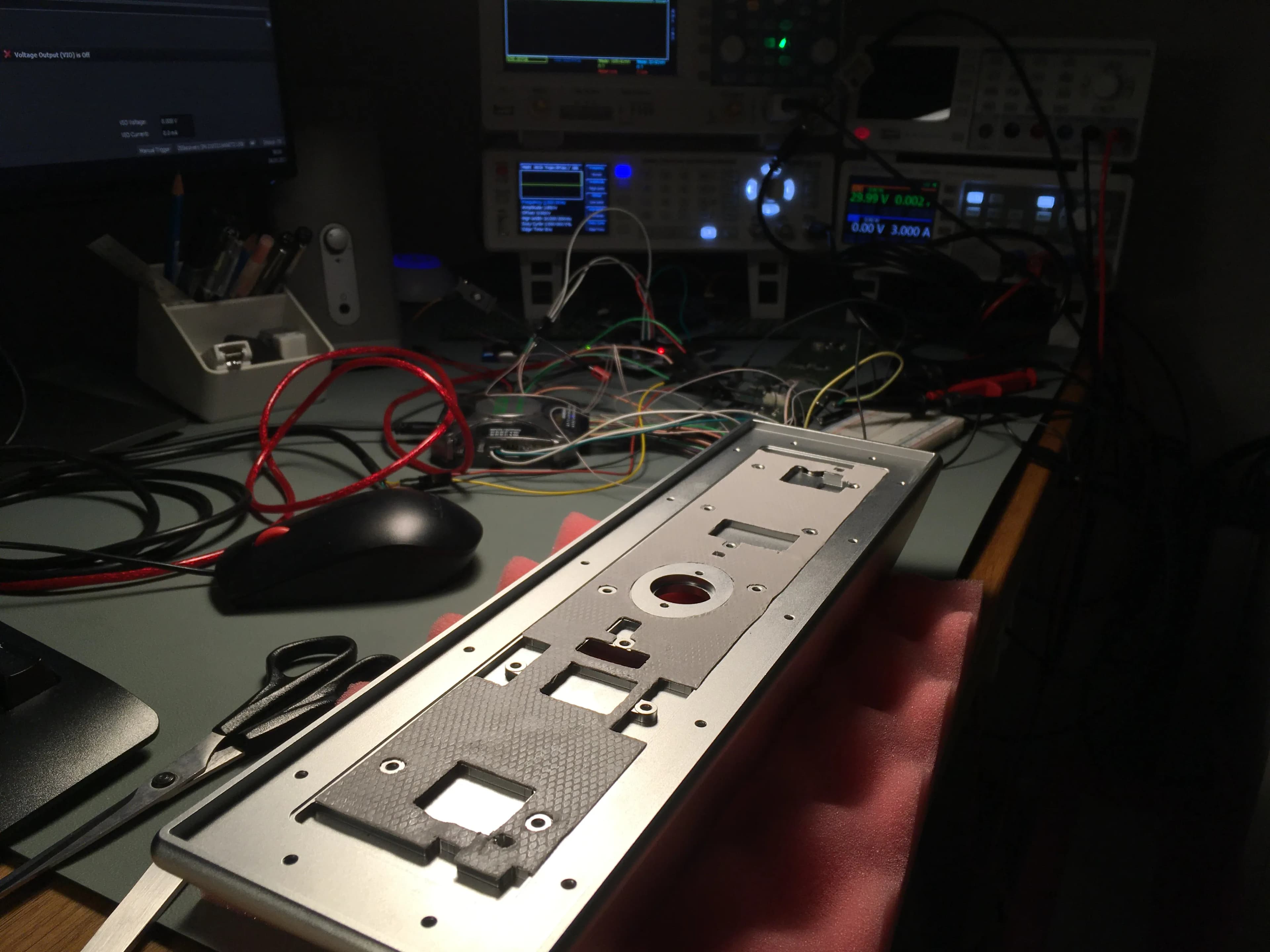
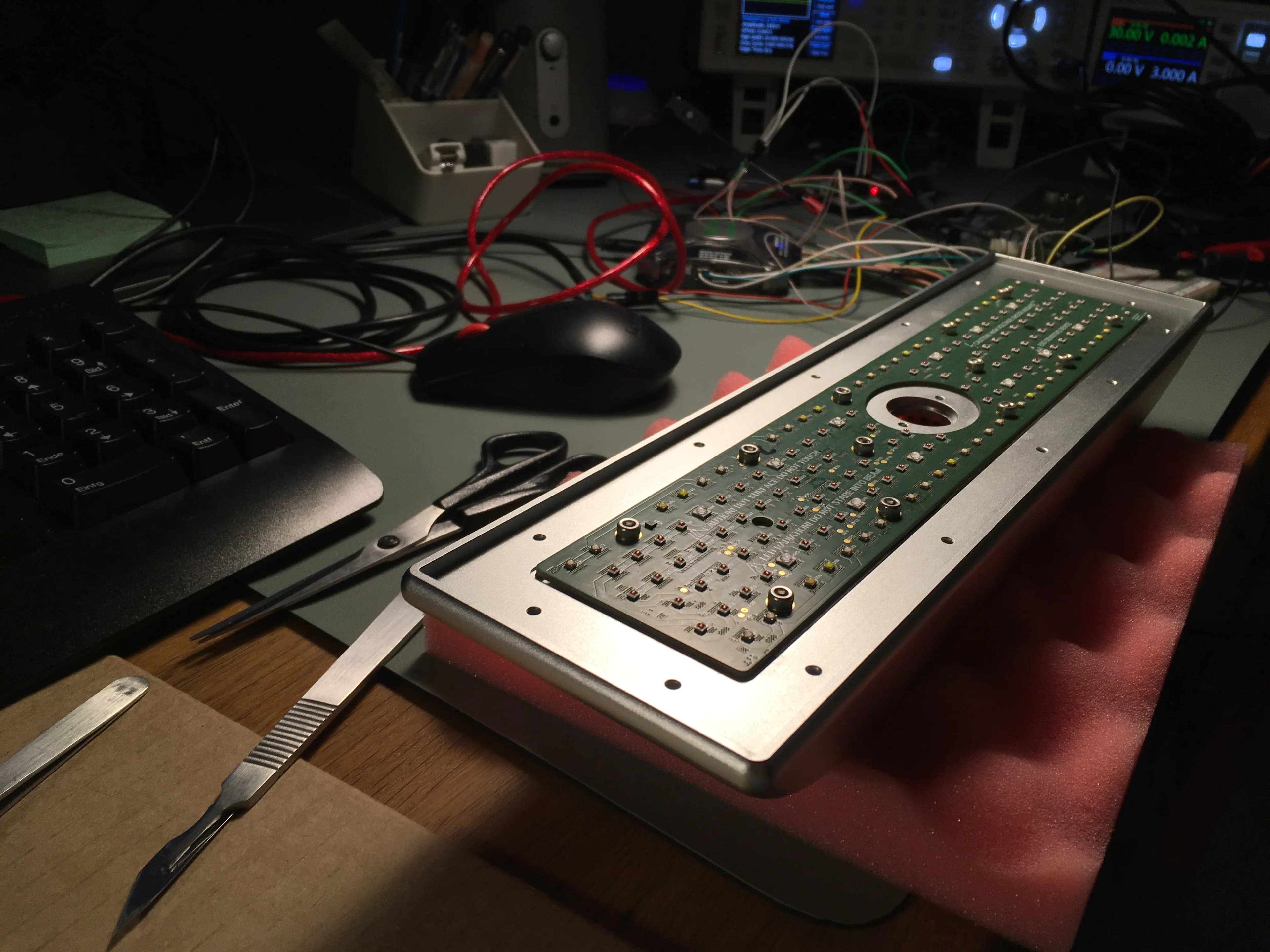
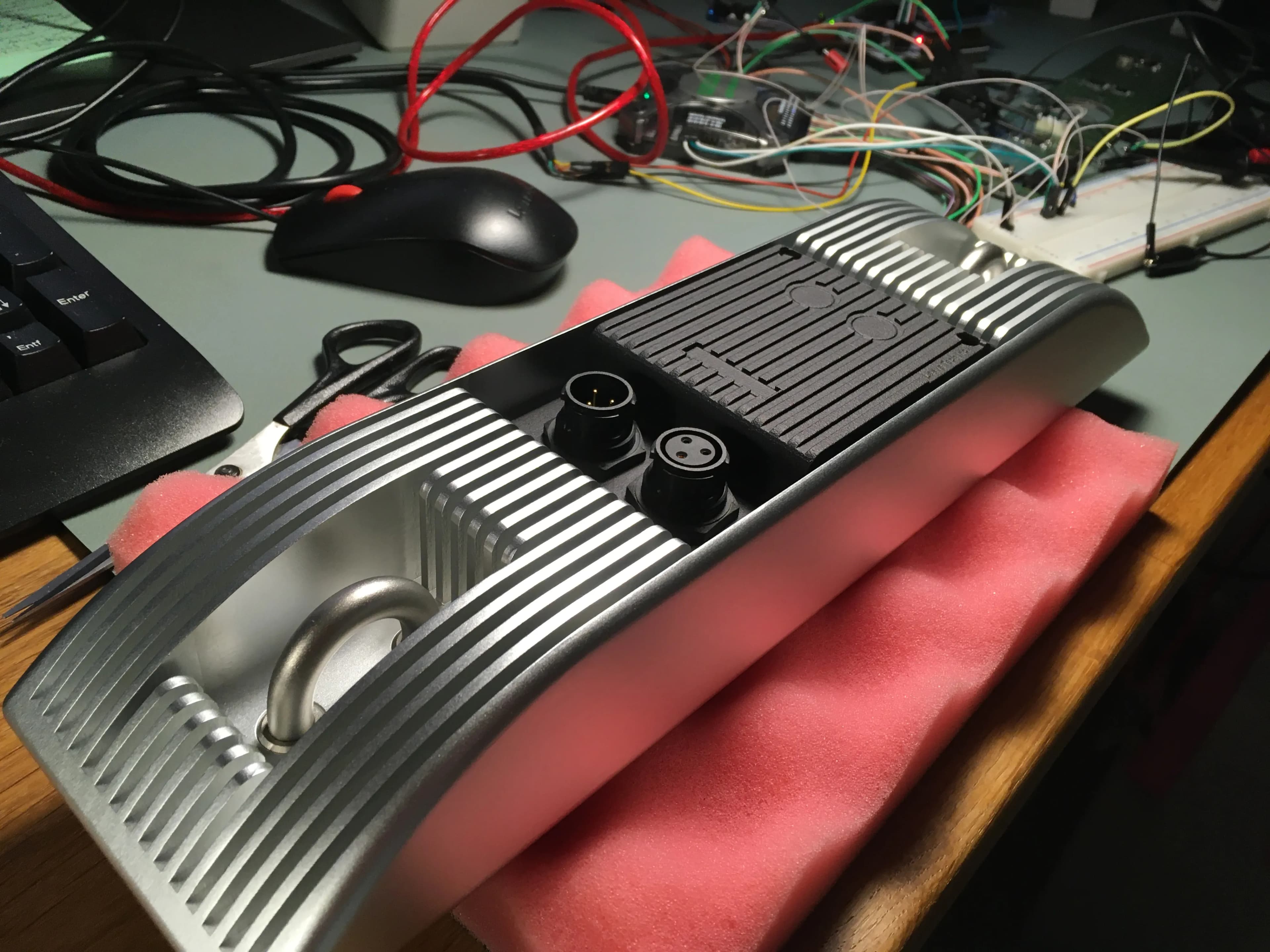
The design was split into two main parts: a large LED board mounted directly to an aluminium heatsink, and a smaller control board that handled power and signal logic. The aluminium body doubled as the enclosure. For thermal management, I built a small stencil out of wood and plastic to cut a ceramic-filled silicone sheet, which ensured proper heat transfer between the LEDs and the heatsink block.
Enclosure design and assembly
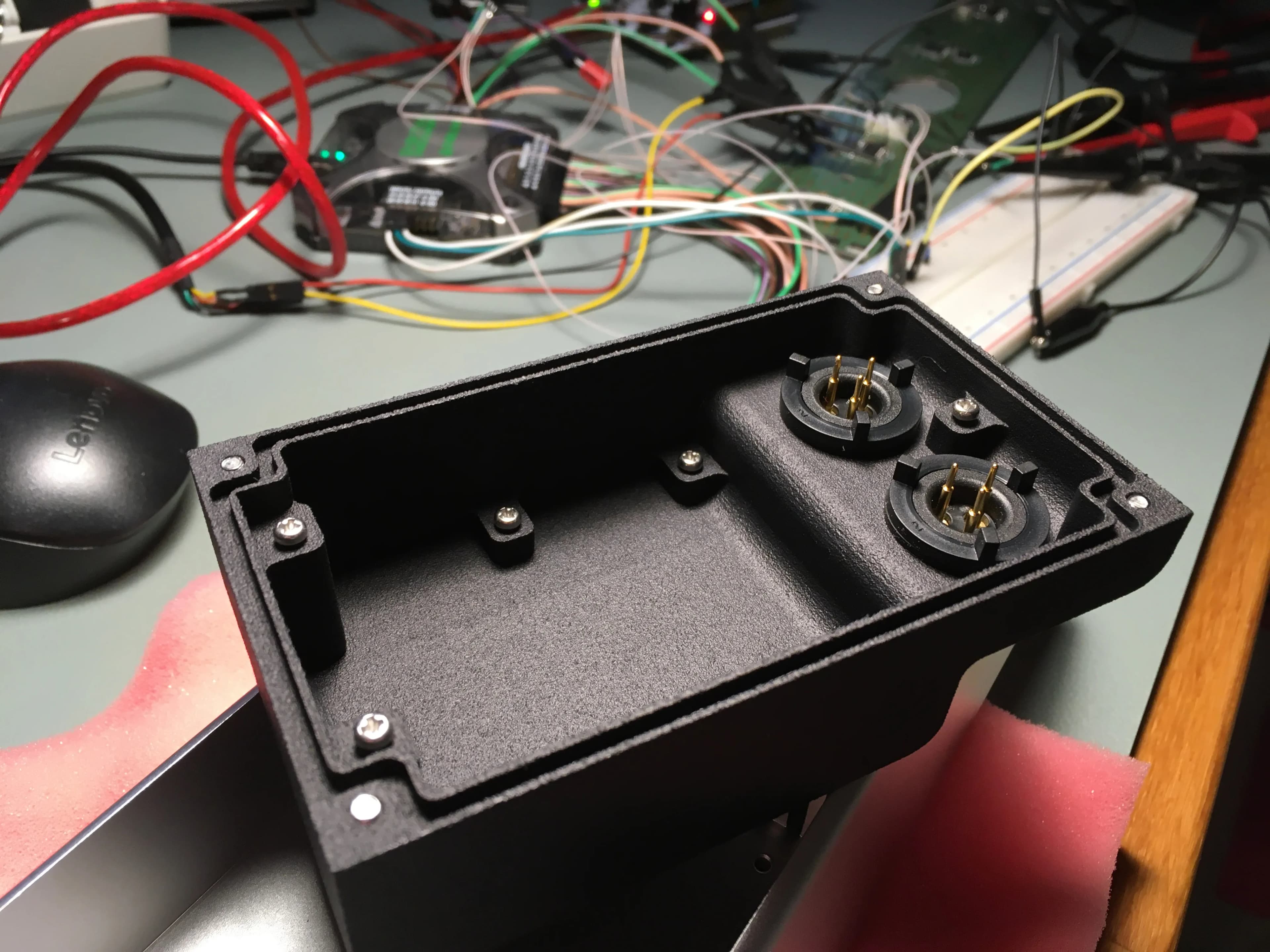
Time was short. The prototype needed to impress both investors and the research team, so there was no luxury of endless simulation or iteration. The aluminium housing ended up being little more than a solid metal brick with some cooling ribs near the lamp mount. On top, I 3D-printed a plastic cover and sealed it with a silicone gasket. For deployment in shelving units, I added high-quality connectors that allowed multiple lamps to be daisy-chained across a row of plants.
Camera integration
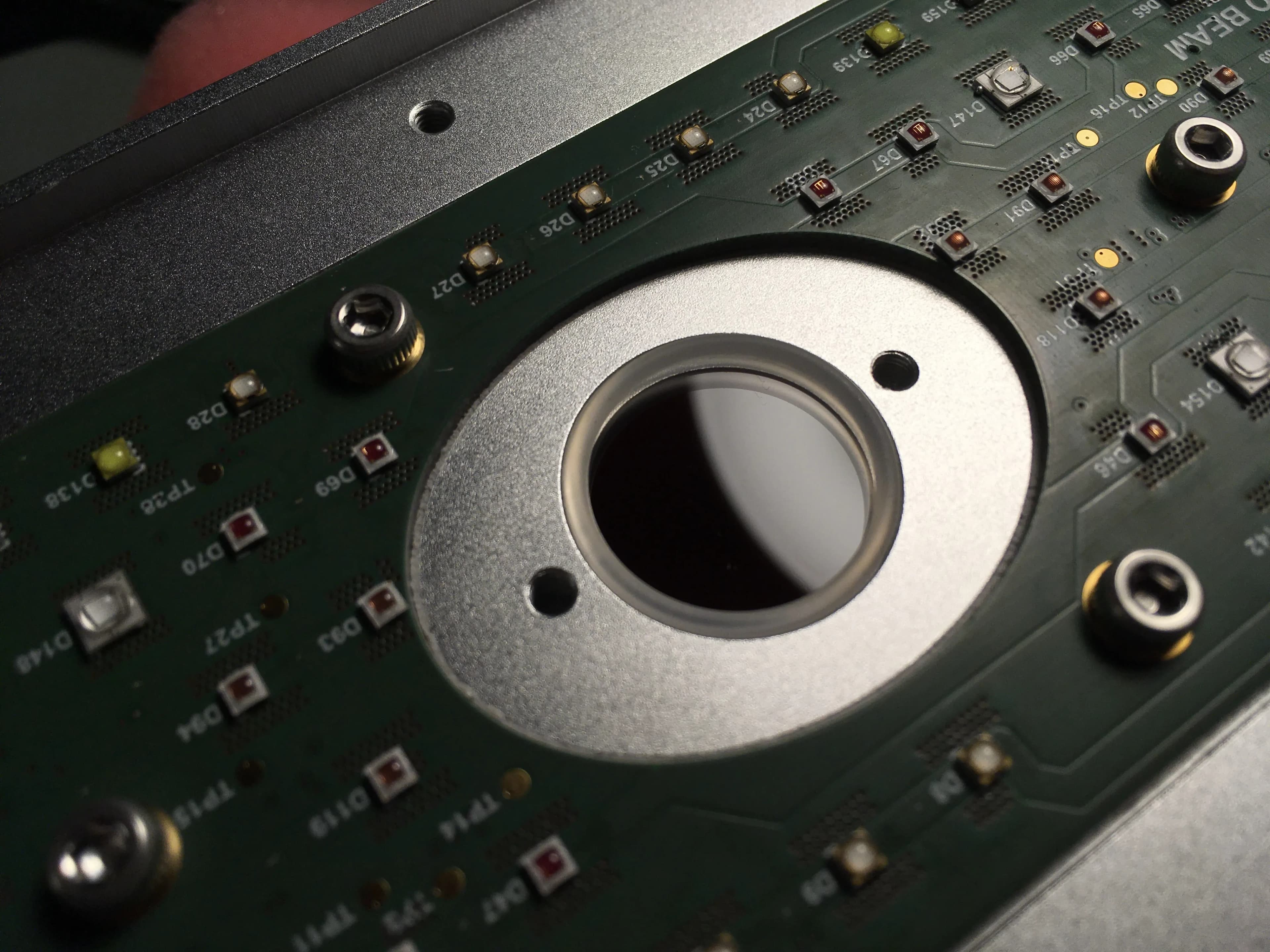
One of the more unusual requirements was to integrate a camera in the very center of the lamp. The idea was to enable long-term crop monitoring without disturbing the environment. I designed a small, circular window with an O-ring seal to protect the electronics from humidity and dust, while leaving a clear view for the camera.
Custom optics design
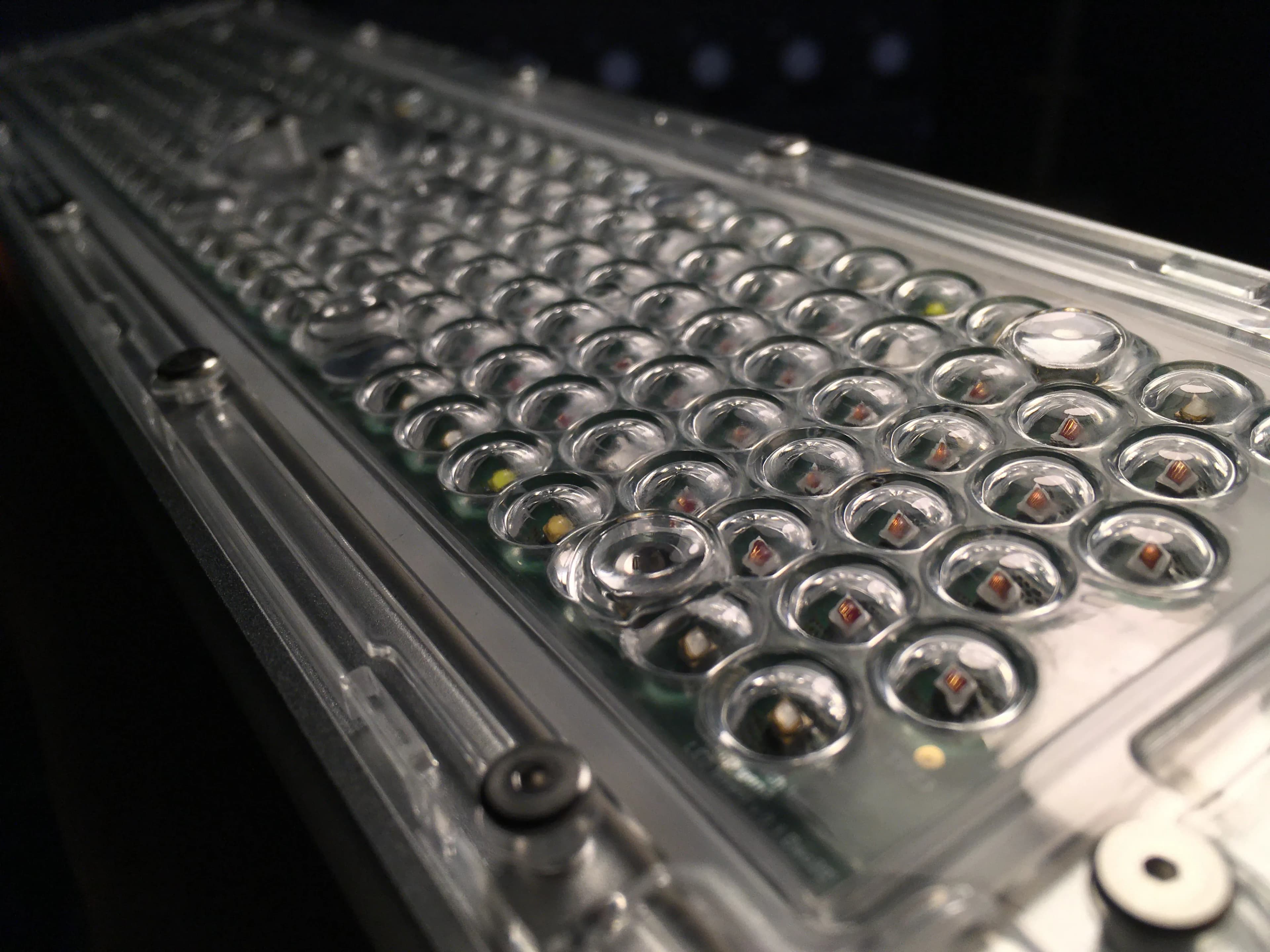
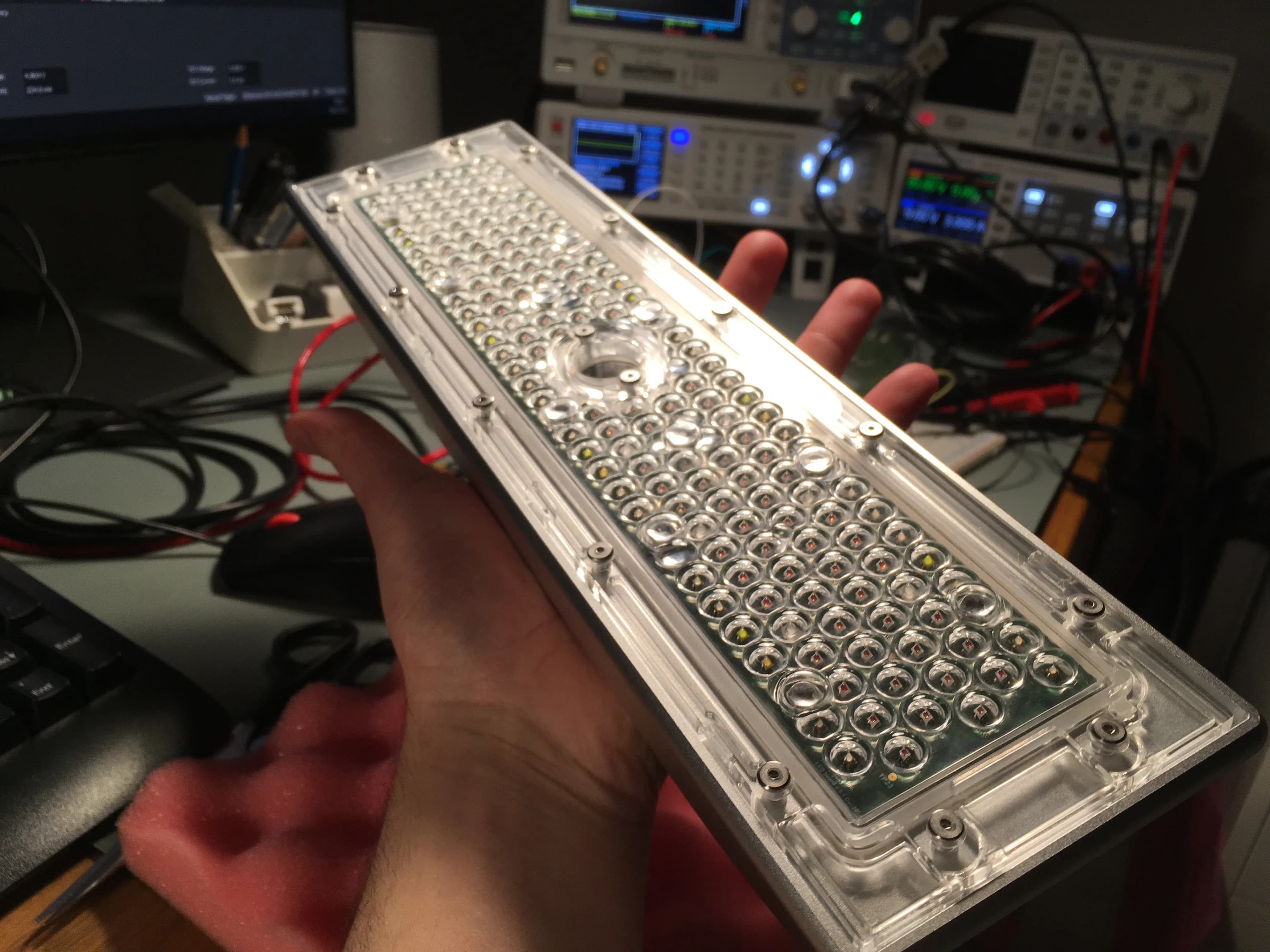
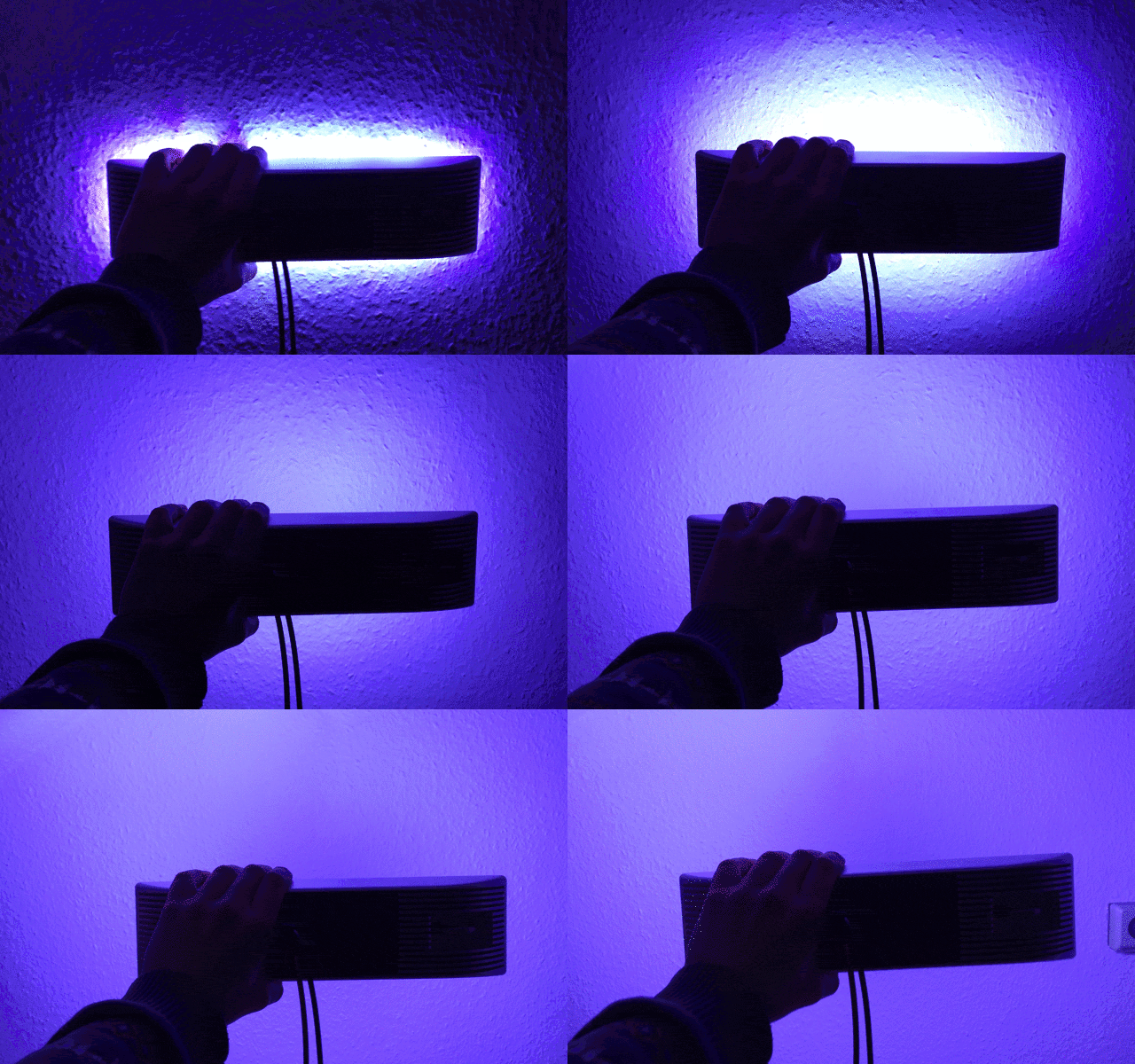
Optics were equally critical. In horticulture, the beam shape determines how evenly light reaches the plants. I was inspired by the uniform patterns of modern street lamps and reached out to a manufacturer of street lighting lenses. I asked if they could adapt one of their designs to leave an opening for a camera in the middle. It was not an easy request, but they delivered: a fully custom-milled lens, shipped on an incredibly tight timeline. The result was a pleasant surprise, the light distribution was flat, uniform, and consistent at short distances, exactly what the research required.
Assembly and testing
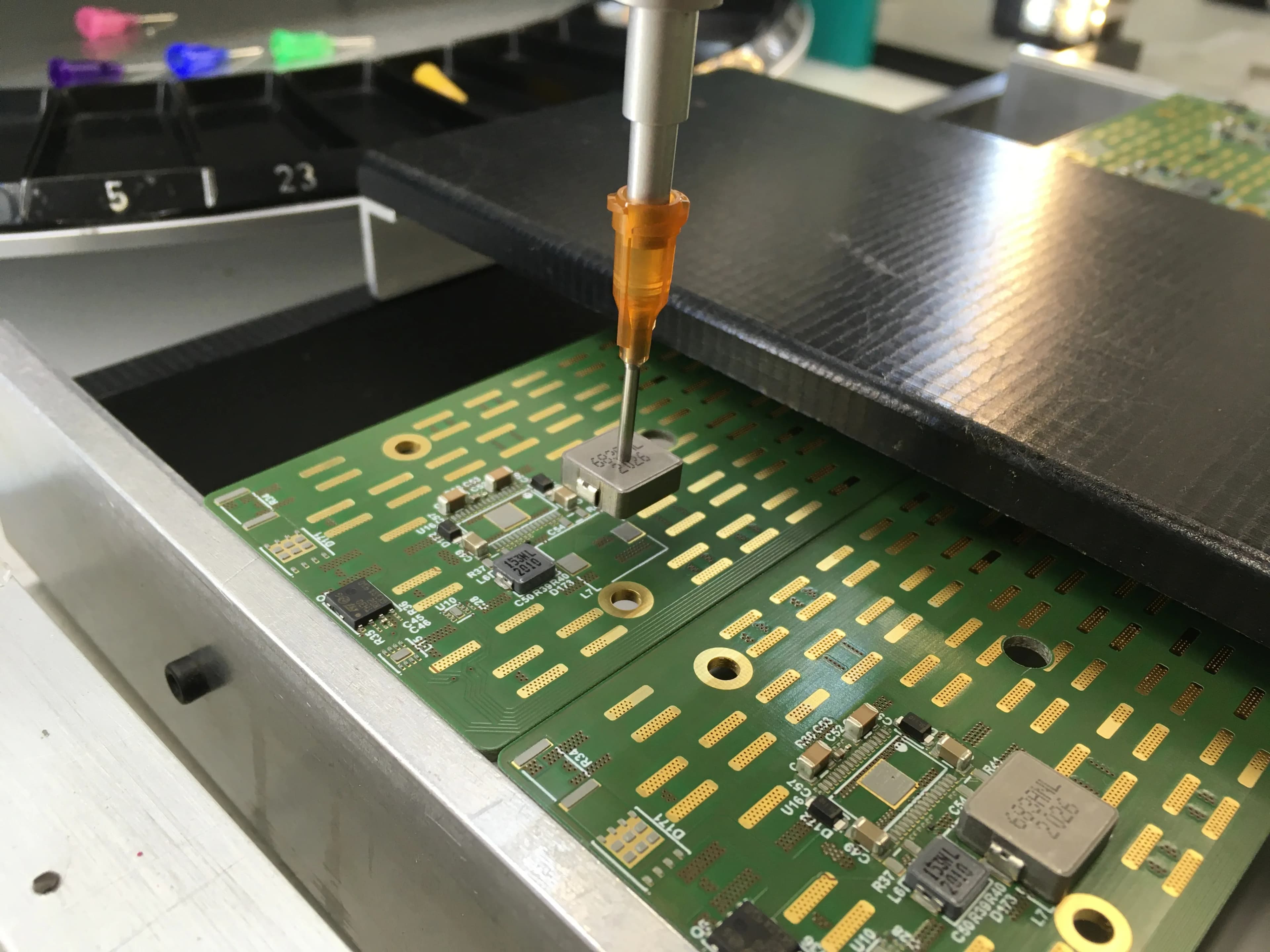
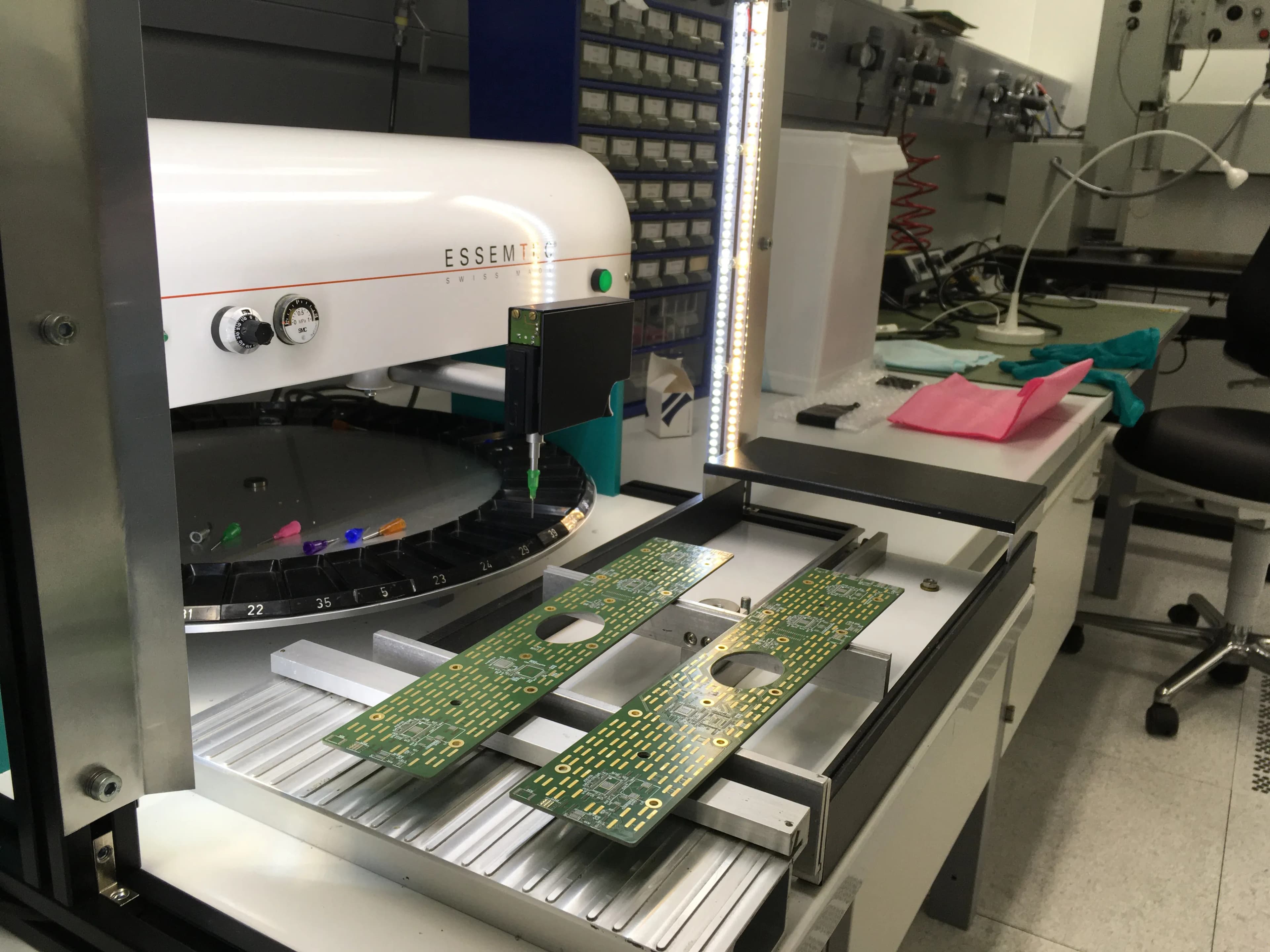
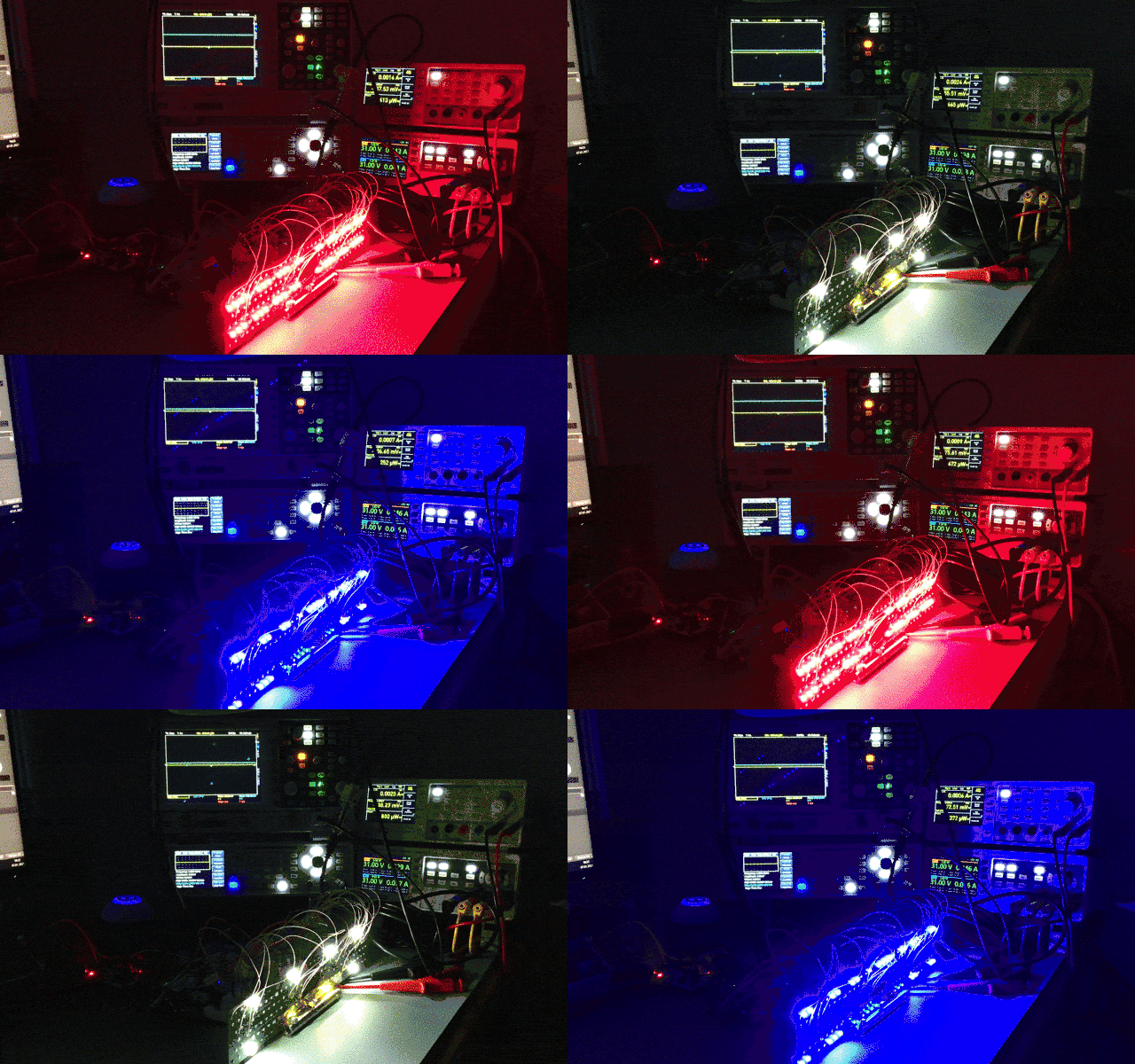
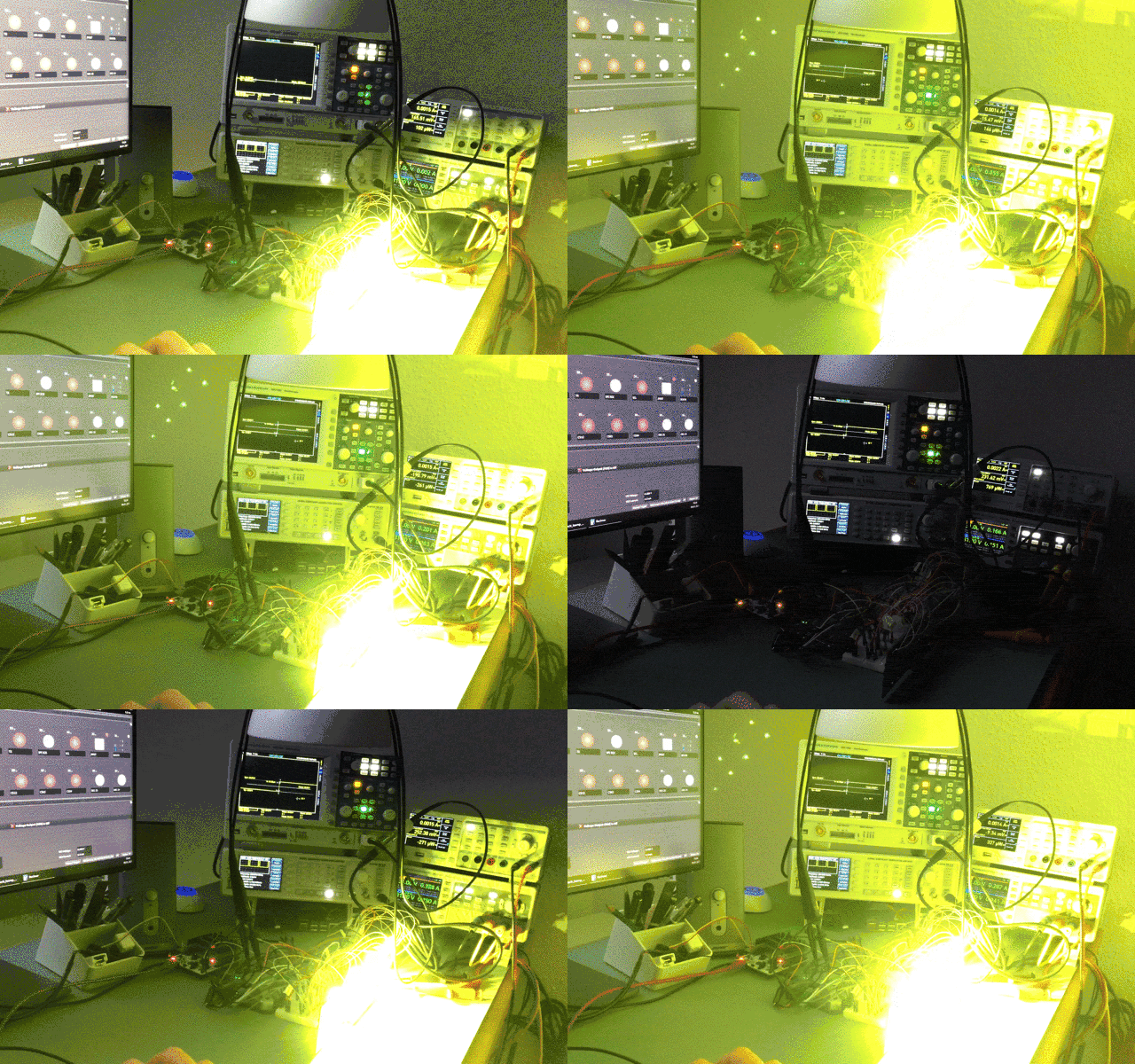
The assembly process was hands-on from start to finish. I soldered the LED board myself and ran through various test modes.
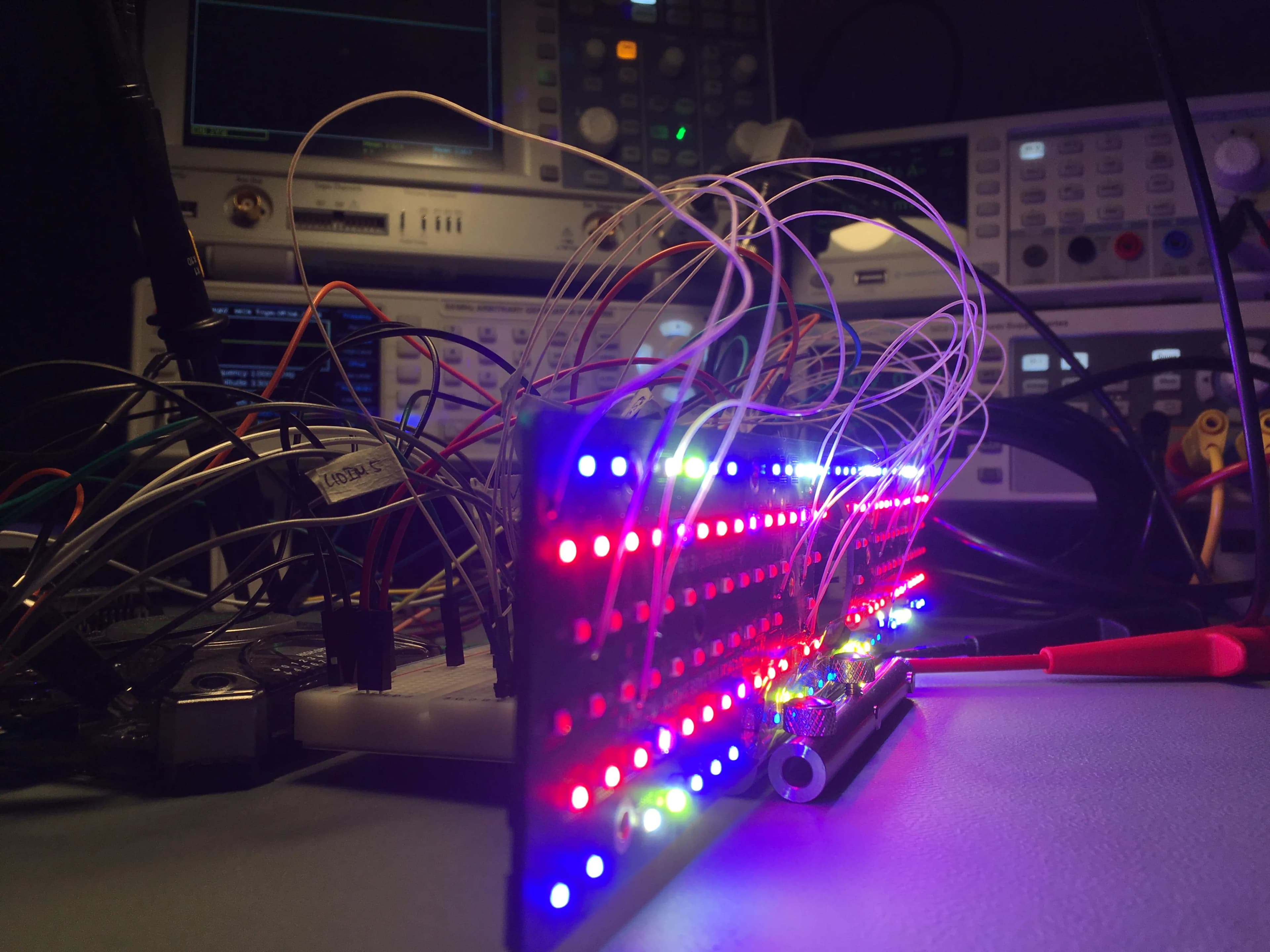
These LEDs were bright beyond expectation. During pulse testing, the workshop lit up in intense flashes, bright enough that I'm amazed nobody reported suspicious activity. It felt like I was running a secret science experiment in the middle of the night.
Conclusion
Unfortunately, I don't know the long-term destiny of this prototype or the research it supported. But looking back, it was a rewarding challenge. Balancing electronics, thermal design, optics, and mechanical integration under tight deadlines made the project intense, but also fun. It reminded me that building prototypes is often less about polish and more about creativity, adaptability, and momentum, especially when working at the edge of science and engineering.
